A Postgres schema compare tool diffs two PostgreSQL databases (or a database against a versioned snapshot), reports the structural differences, and generates the SQL to reconcile them. Teams reach for one to promote changes safely between dev, staging, and production, catch schema drift before it causes an incident, and keep environments consistent.
This guide covers the top 6 tools for comparing and syncing Postgres schemas in 2026 — a library, a schema-as-code engine, a CLI, two GUIs, and an all-in-one platform.
Quick pick:
- Building schema comparison into your own app → pg-schema-diff
- Declarative schema-as-code in CI/CD → Atlas
- Changelog-driven migrations → Liquibase
- A fast, free visual one-off diff → pgAdmin
- A polished commercial cross-database GUI with structure sync → Navicat
- Team change management with review, approval, and one-click sync → Bytebase
pg-schema-diff (Library)
pg-schema-diff is an open-source schema comparison library created by Stripe. Unlike traditional GUI tools, pg-schema-diff is designed to be incorporated into your own applications or workflows.
Key features of pg-schema-diff include:
- Pure Golang implementation with zero native dependencies
- Generates SQL migration scripts to transform one schema into another
- Schema safety mechanisms to prevent data loss
- Highly customizable through a robust API
- Supports migrations between PostgreSQL versions
Despite requiring programming knowledge for integration and being limited to PostgreSQL databases only, pg-schema-diff is an excellent choice for development teams building schema comparison functionality into their custom tools or CI/CD pipelines—especially those working with Go-based backends.
Atlas (Schema-as-Code)
Atlas is an open-source schema-as-code tool that manages database schemas declaratively. You define the desired schema in HCL or plain SQL, and Atlas computes the difference against a live database and generates the migration needed to reconcile them. The atlas schema diff and atlas migrate diff commands compare a source and a target — databases, schema files, or migration directories — and emit the SQL.
Atlas is built for automation. It plugs into CI/CD, supports migration linting and pre-apply safety checks, and works across PostgreSQL, MySQL, SQLite, SQL Server, and more. Like pg-schema-diff it favors a code-first workflow, so it rewards teams comfortable managing schema in version control rather than clicking through a GUI.
For PostgreSQL teams that want declarative, reviewable schema changes wired directly into their pipeline, Atlas is one of the strongest modern options. The trade-off is the learning curve of a new declarative workflow and its HCL dialect.
Liquibase (CLI)
Liquibase is a command-line tool with a database-independent library at its core for managing and applying database schema changes through a code-first approach. It excels in version-controlled database deployments using XML, YAML, JSON, or SQL formats, making it particularly valuable for developers with strong programming backgrounds.
Liquibase supports multiple database types beyond just Postgres. Its powerful command-line interface enables seamless automation and integration with most CI/CD pipelines, ideal for DevOps environments. The tool generates detailed changelogs that document schema differences, providing clear visibility into database modifications. Users can choose between the open-source edition for basic needs or upgrade to the commercial version for additional capabilities. The diff command compares two database schemas and reports the differences, which can then be captured in changeset files, enabling proper version control and systematic deployment processes.
Liquibase does present some challenges though. The tool has a steeper learning curve compared to GUI alternatives, requiring technical familiarity to use effectively. The command-line interface may prove challenging for team members without a technical background.
pgAdmin (GUI Client)
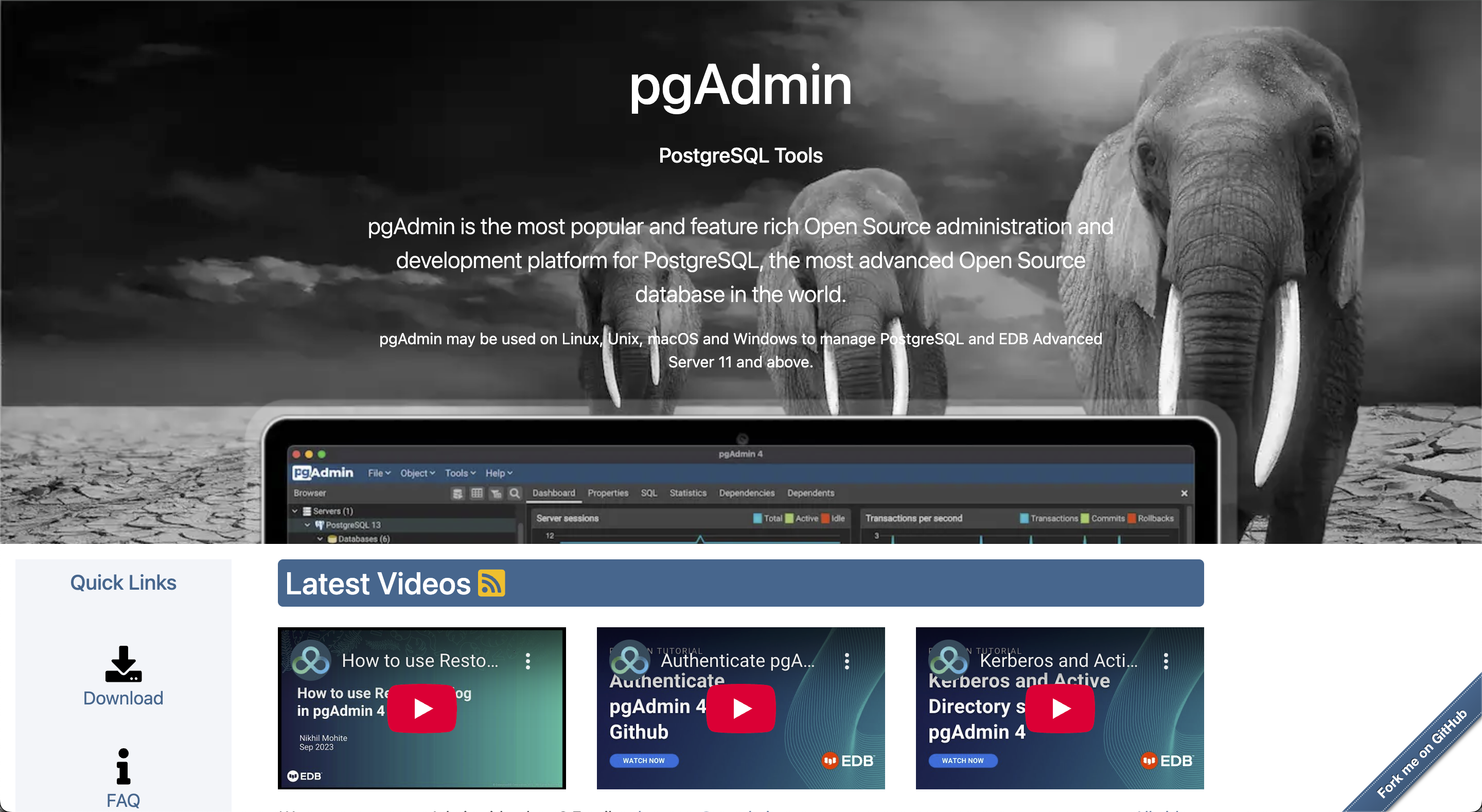
pgAdmin is the most popular open-source administration and development platform for PostgreSQL. Its Schema Diff tool allows users to compare schemas between two databases visually.
pgAdmin offers an intuitive graphical interface for comparing schemas with side-by-side visualization of differences. Users can generate SQL scripts to synchronize schemas directly within the tool. As part of pgAdmin's comprehensive PostgreSQL management suite, the schema comparison functionality integrates seamlessly with other database management capabilities. Being free and open source makes it accessible to teams of all sizes without additional licensing costs.
Just like pg-schema-diff, pgAdmin works exclusively with Postgres databases, which potentially limits its usefulness in heterogeneous database environments. The comparison functionality is relatively basic compared to specialized tools, lacking some of the advanced features found in dedicated schema comparison solutions. Additionally, pgAdmin's visual approach makes it less suitable for automation in continuous integration and deployment pipelines.
pgAdmin is ideal for database administrators who want a quick visual way to compare schemas without investing in additional tools, especially if they're already using pgAdmin for other Postgres management tasks.
Navicat (GUI Client)
Navicat is a commercial cross-database GUI with full PostgreSQL support. Its Structure Synchronization tool compares the schema of two databases side by side, highlights every difference, and generates — then executes — the SQL needed to make the target match the source. It also handles data synchronization and a broad range of database administration and development tasks.
Navicat is a paid product available on Windows, macOS, and Linux. It fits DBAs and developers who want a polished, full-featured commercial GUI and already use Navicat day to day, though it's a heavier, licensed option than pgAdmin for a simple one-off diff.
Bytebase (All-in-one Platform)
Bytebase is a database governance platform that offers schema synchronization as part of its broader database change management capabilities.
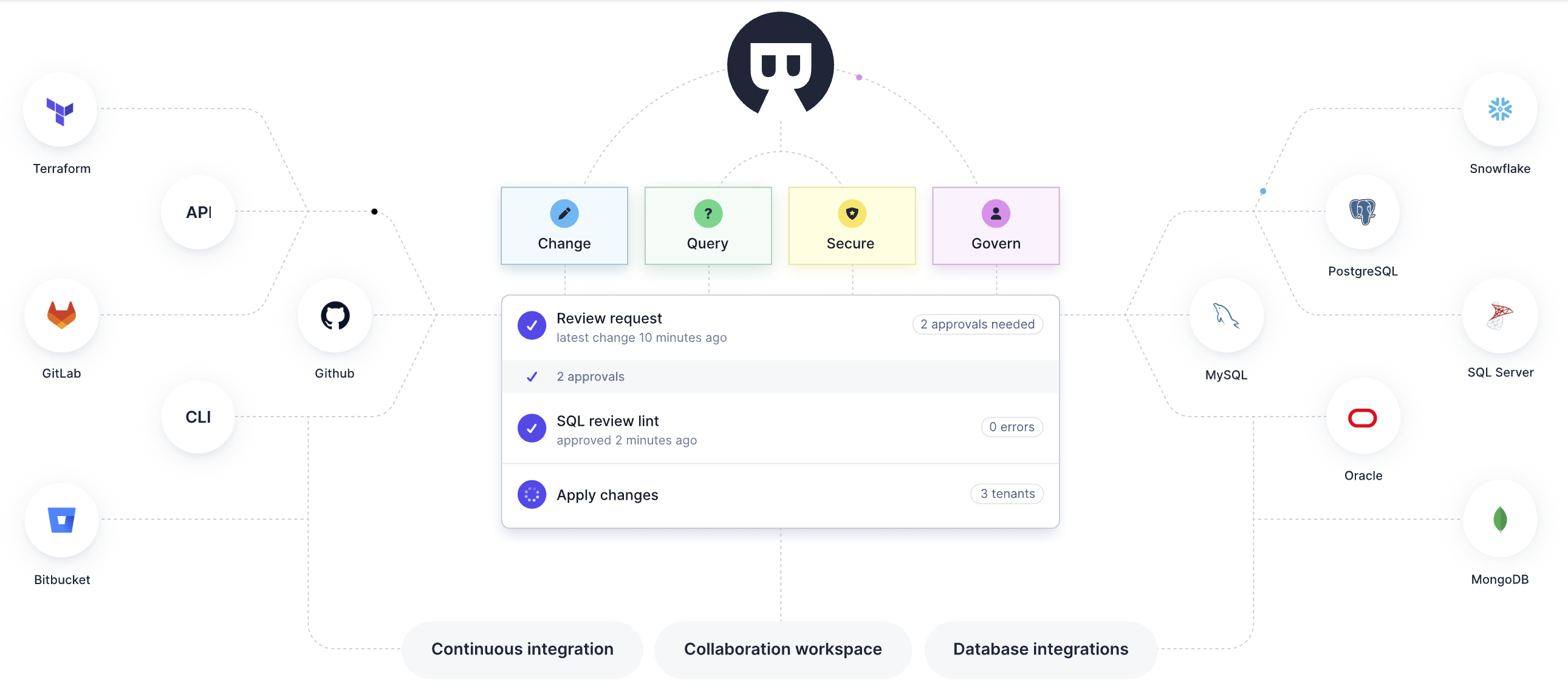
Bytebase provides a comprehensive suite of tools centered around database change management with an intuitive visualization system that clearly highlights schema differences. Its platform enables one-click schema synchronization between environments while maintaining detailed change history tracking and seamless version control integration. For organizations with formal processes, Bytebase incorporates approval workflows for schema changes, ensuring proper governance throughout the development lifecycle.
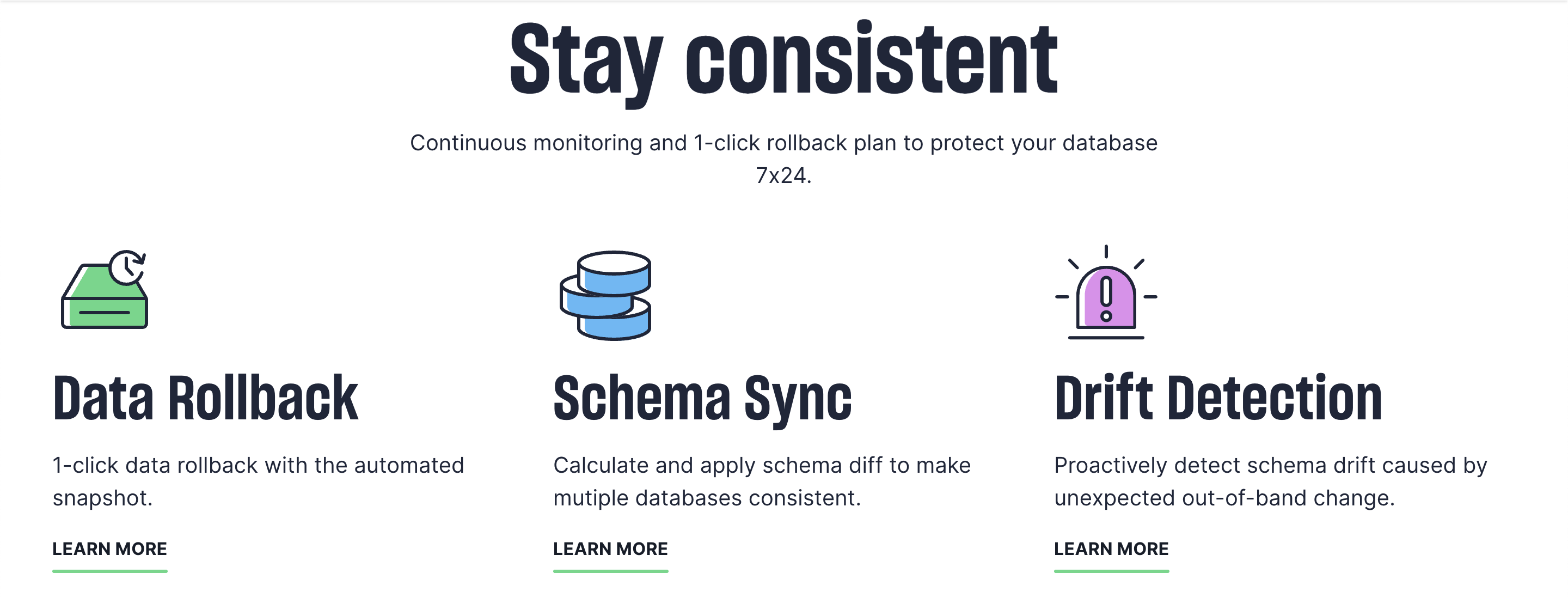
Unlike some tools limited to specific database systems, Bytebase supports multiple database types including PostgreSQL, MySQL, and others. The platform is fully GitOps-ready, allowing teams to manage database changes alongside application code. Its schema sync feature is particularly powerful, enabling teams to compare and synchronize database schemas across different environments (dev, staging, production) with built-in safeguards and approval processes.
While highly capable, Bytebase is more focused on enterprise database change management than standalone comparison, which may mean it offers more functionality than needed for simple one-off diffs. This makes Bytebase ideal for development teams and organizations seeking a comprehensive database DevOps solution with governance features, rather than just a comparison utility.
Summary
Each of these tools takes a different approach to PostgreSQL schema comparison:
| Tool | Type | Best For | Automation | User Interface |
|---|---|---|---|---|
| pg-schema-diff | Library | Developers building custom tooling | High | None (programmatic) |
| Atlas | Schema-as-code CLI | Declarative CI/CD workflows | High | Command-line |
| Liquibase | CLI | Changelog-driven DevOps teams | High | Command-line |
| pgAdmin | GUI Client | Quick visual diffs for PostgreSQL DBAs | Low | Graphical |
| Navicat | GUI Client | Commercial cross-DB GUI + structure sync | Medium | Graphical |
| Bytebase | Platform | Team change management + governance | High | Web-based |
Your choice should depend on several factors:
- Whether you need a visual interface or prefer command-line/programmatic tools
- If you need to integrate schema comparisons into CI/CD pipelines
- Whether you work exclusively with PostgreSQL or multiple database types
- If you need additional features like version control, approval workflows, and audit history
FAQ
What is a Postgres schema compare tool?
It is a tool that detects structural differences between two PostgreSQL schemas — tables, columns, indexes, constraints, views, functions — and generates the SQL to synchronize them. It's used to promote changes across environments and to catch schema drift.
Which tool is best for CI/CD pipelines?
Atlas and Liquibase are built for pipeline automation, while pg-schema-diff suits teams embedding diff logic into their own tooling. Bytebase adds GitOps-driven change management with review and approval on top.
Are there free Postgres schema compare tools?
Yes. pg-schema-diff, Atlas, and pgAdmin are free and open source; Liquibase has an open-source edition plus a commercial one; Navicat is a commercial product; and most of Bytebase's schema-sync capability is available on its Free plan.
Can these tools sync schemas across dev, staging, and production?
All can generate the sync SQL. If you need that sync to be reviewed, approved, and audited before it hits production, a platform like Bytebase adds those guardrails and one-click, history-tracked synchronization.